Tbilisi – Borjomi – Akhaltsikhe – Vardzia

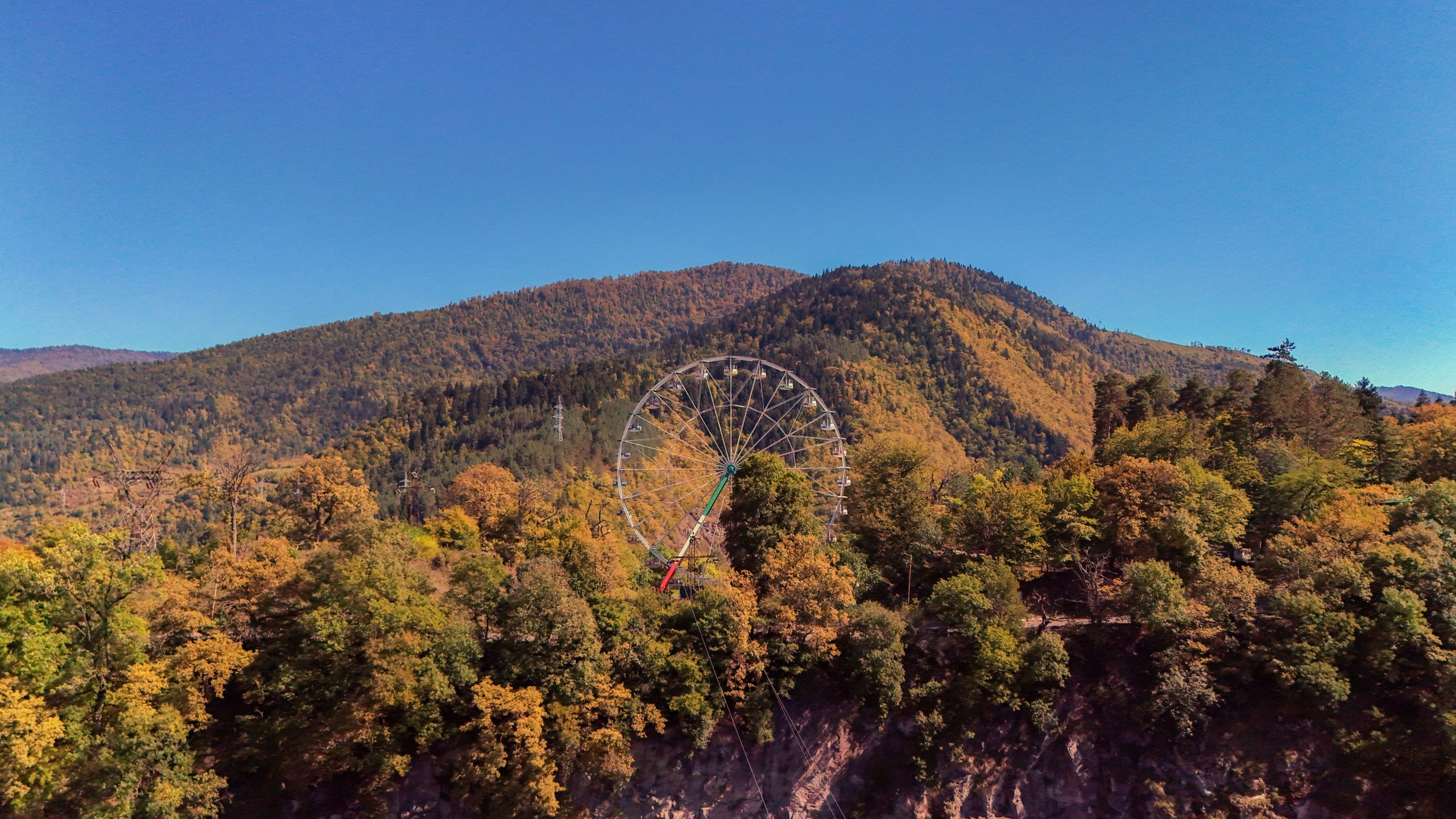
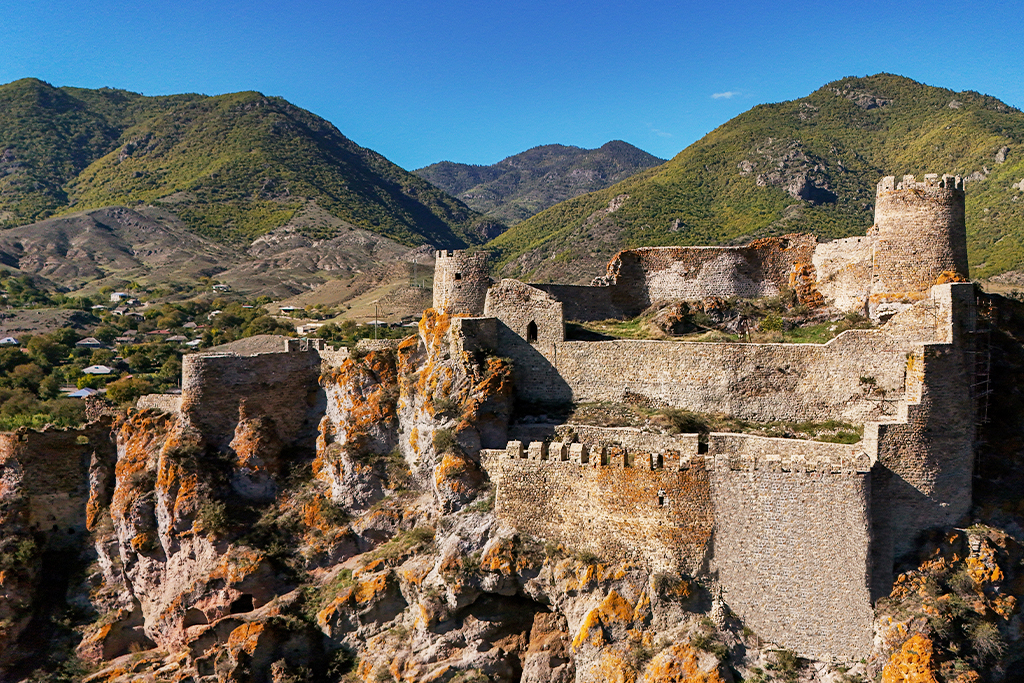
Explore Borjomi Central Park – nestled in a picturesque gorge, that invites you to taste its healing mineral springs, offering a rejuvenating escape immersed in natural wellness. Meanwhile, discover Rabati Fortress in Akhaltsikhe, a living testament to history and architectural diversity; And last but not least, visit Vardzia, an ancient 12th-century underground city carved into the rock, delve into its labyrinth and caves. The journey promises to be filled with cultural discovery, natural beauty, and historical marvels.


The Price is changeable according to the additional requests: 260$

The tour prices include:

Transportation for 2 persons,

English speaking guide service,

Entrance tickets according to the itinerary.

Optional services are not included in the price.

Prices for the accommodation, please, check here.

Category:

Departure to Borjomi;

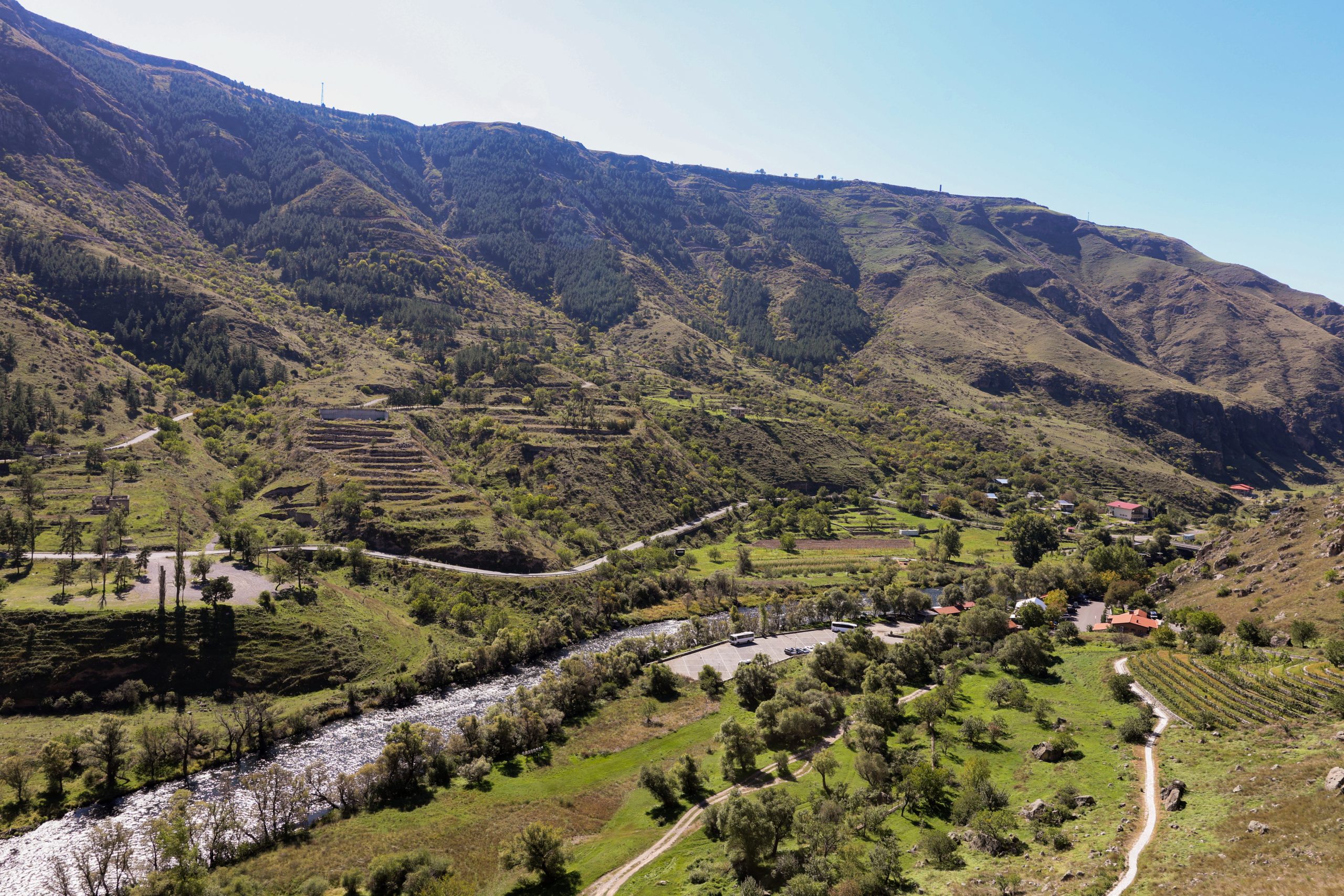
Borjomi Central Park occupies a narrow gorge and was established in 1850. Within the park is the original warm mineral water source, Ekaterina Spring, located just past the entrance. While most of the park is filled with rides and entertainment, a 3 km walk upstream leads to small, spring-fed swimming pools with a steady temperature of about 27°C. Swimming in this mineral water over several days is recommended for its healing properties. Mineral water of volcanic origin -“Borjomi” – is named after the Georgian town. According to natural data, it is more than 1500 years old. It rises from a depth of 8-10 kilometers through natural pressure and is enriched with minerals from the Caucasus Mountains. The water, naturally warm at 38-41°C, acts as an “internal shower,” cleansing the body, boosting immunity, and aiding in the treatment of digestive and metabolic issues.

Rabati Fortress, originally known as “Lomsia Castle,” was built in the 9th century in Akhaltsikhe. The castle complex, spanning 8 hectares, showcases buildings from the 9th to 19th centuries, reflecting the fortress’s long and varied history. Initially rebuilt and expanded in the 12th century, the fortress evolved into a city and was renamed “Akhaltsikhe.” By the 13th century, it became the residence of the Jakeli family and the administrative hub of Meskheti. Recently renovated Rabati blends elements of Georgian, Ottoman, Russian, Hebrew, and Armenian architecture, highlighting the region’s historical cultural diversity. The old district of Akhaltsikhe is notable for its coexistence of various religious buildings, including a Georgian Orthodox Church, Mosque, Catholic Monastery, Synagogue and Armenian Church.

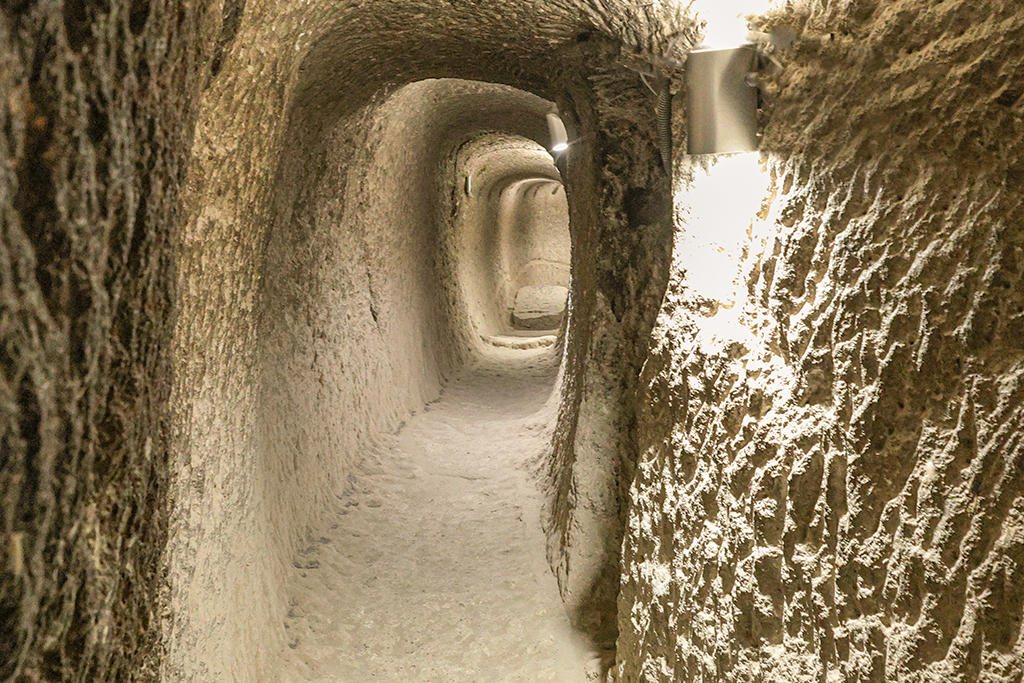
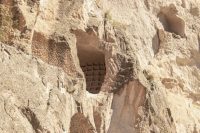
Vardzia – monumental project from the 12th century – is a breathtaking underground city carved directly into the cliffs of southern Erusheti mountains. Conceived as both secret cave city and a monastic center it stretches over 500 meters along the slopes, with 400 rooms, 25 wine cellars, several cave churches, conference halls, bakeries, refectories and even pharmacy. The inhabitants of the city lived in rock-hewn dwellings ranging over 13 floors, a scale almost impossible to imagine at the time, tunnels, chapels, and halls connected by a labyrinth of tunnel passageways.

Return to Tbilisi

Reviews

There are no reviews yet.

Be the first to review “Tbilisi – Borjomi – Akhaltsikhe – Vardzia”

Your email address will not be published. Required fields are marked *